Real Estate Promotional Products: What Actually Generates Referrals
Discover real estate promotional products that actually generate referrals — the best realtor closing gifts, open house giveaways, and farming items for 2026.
Real estate is a referral business — and yet most agents lose the referral war in the weeks after closing. The National Association of Realtors consistently finds that roughly nine in ten satisfied buyers say they would use their agent again, but only a fraction actually do. The reason is rarely dissatisfaction. It is silence. Once the transaction ends, the daily reminders of your competence disappear, and your name fades behind the next Zillow ad a competitor runs.
Well-chosen real estate promotional products fix that silence. A branded item that lives in a client's kitchen, car, or grocery routine keeps your name and number in circulation for months after the deal closes — at a cost per impression no digital channel can match. This guide breaks down which real estate promotional items actually move the needle, how much to spend at each touchpoint, and how to avoid the giveaways that end up in the trash by Friday.
Why Real Estate Promotional Products Outperform Paid Ads
Every agent has burned budget on leads that never answer the phone. Paid portals charge you repeatedly for the same stranger's attention, and the moment you stop paying, your visibility drops to zero. A promotional product works in the opposite direction: you pay once, and the item keeps generating impressions for a year or more.
The math is not close. The average cost-per-impression for a promotional product in the United States is roughly $0.004 — about one-tenth the cost of a typical digital display ad. And unlike a display ad, a physical item gets carried into grocery stores, gyms, schools, and neighbors' kitchens, where other future sellers and buyers see it.
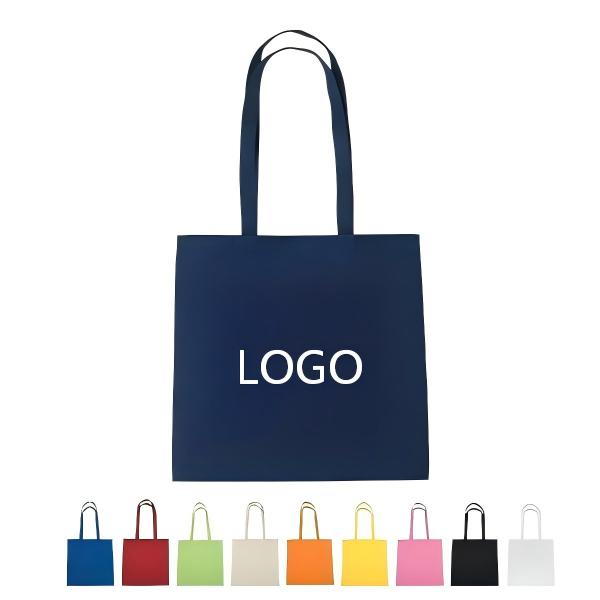
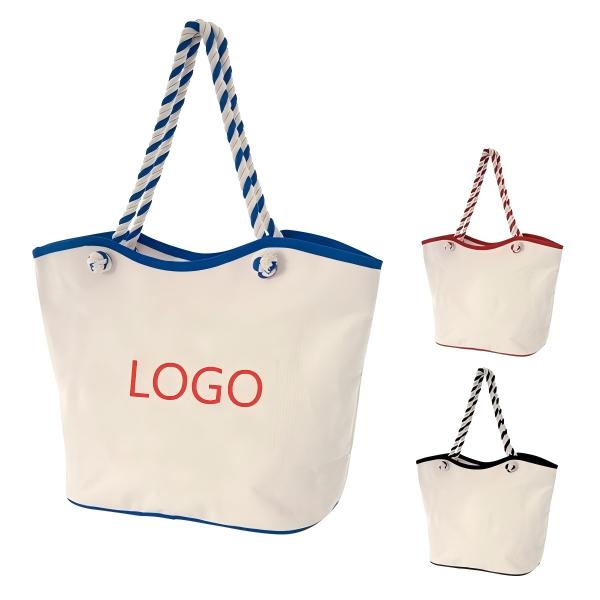
Consider what a single tote bag does for an agent:
- Weekly utility — it becomes the client's default grocery and errand bag, used in public 2–3 times per week
- Referral visibility — neighbors and friends see your name exactly when "do you know a good agent?" comes up
- Zero recurring cost — one purchase, 12+ months of exposure, no auction dynamics against competing agents
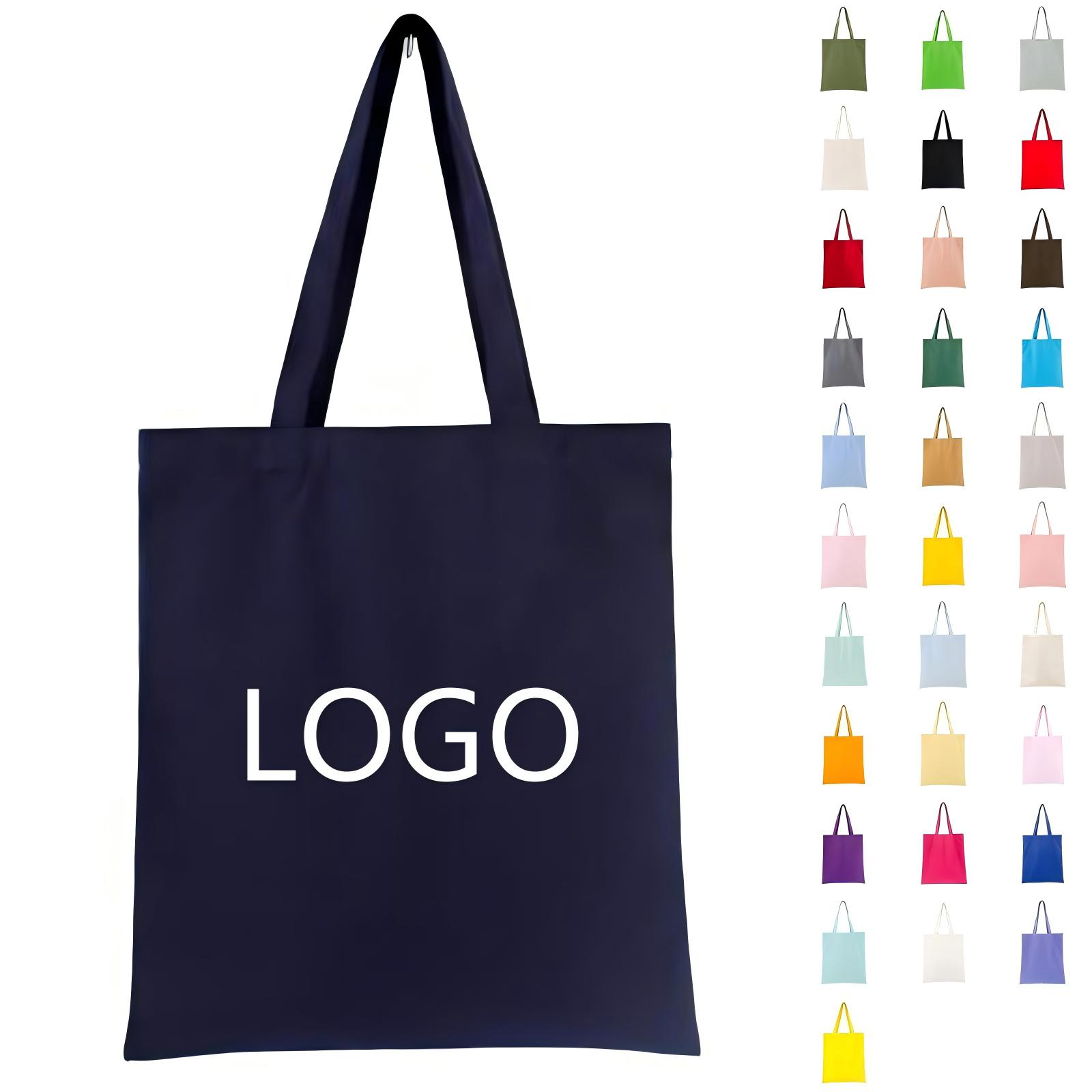
For high-volume, low-cost distribution, the Standard Vertical Style 12oz Cotton Canvas Totes hit the sweet spot: sturdy enough for daily use, with a large imprint area sized for your name, photo, phone number, and license details.
Best Realtor Closing Gifts Clients Actually Keep
Closing gifts are the highest-leverage realtor closing gifts moment in your entire marketing calendar. The client is at peak goodwill toward you, they are moving into a new home, and they are about to tell everyone they know about the experience. The right gift turns that moment into a physical artifact of the relationship. The wrong one — a branded keychain in a plastic bag — signals that the relationship ended at the signing table.
The most effective closing gifts follow a simple rule: match the item's quality to the transaction's size. A $900,000 home sale justifies a different gift than a land-lease closing, and clients can feel the difference.
| Gift Tier | Typical Budget | Best For | Product Ideas |
|---|---|---|---|
| Essential | $5–$15 | First-time buyers, modest markets | Quality canvas totes, laminated shoppers |
| Signature | $15–$40 | Standard residential closings | Premium cotton totes, market totes |
| Luxury | $40–$100+ | High-value closings, repeat investors | Weekender bags, matched gift sets |
Three products consistently perform across these tiers:
- Premium 100% Cotton Canvas Totes — heavyweight natural canvas reads as a genuine gift, not a giveaway, and slots straight into the new homeowners' shopping routine
- Maui-Style Laminated Cotton Carryalls — wipe-clean laminated cotton is ideal for a housewarming gift that survives kitchens, beach days, and kids
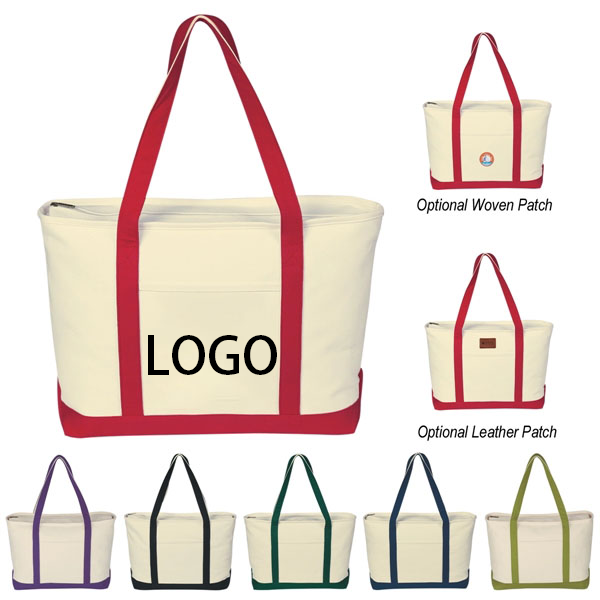
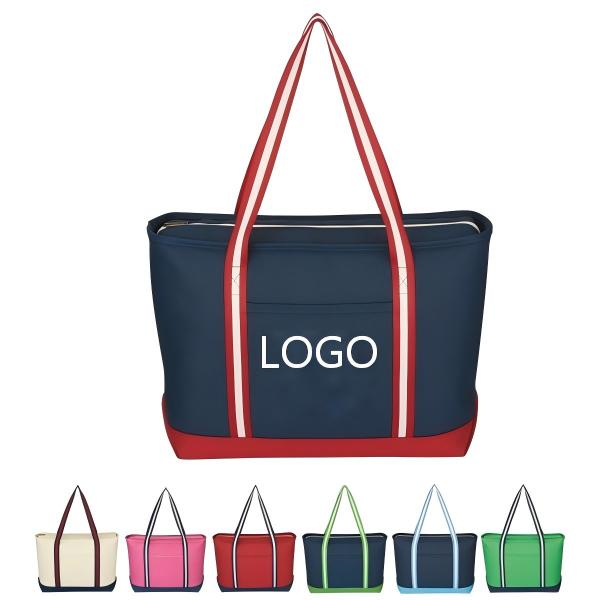
- Large Cotton Canvas Travel Totes — a luxury-tier closing gift for high-value clients that travels publicly and starts conversations
Open House Giveaways That Fill Your Sign-In Sheet
Open houses are volume plays, and your open house giveaways need to work differently than closing gifts. The goal is not luxury — it is a fair exchange: visitors give you their contact information, and you give them something genuinely useful that walks out the door carrying your brand into the neighborhood.
The best open house items share three traits: they are useful the same weekend, they are light enough to carry while touring the home, and they cost little enough to hand out to every visitor, not just the one serious buyer.
| Item | Per-Unit Cost | Why It Works at Open Houses |
|---|---|---|
| Standard canvas totes | $ | Visitors use them same-day for errands; large imprint area |
| Compact canvas totes | $ | Easy to carry during the tour, then reused weekly |
| Drawstring bags | $ | Appeals to families and fitness-minded visitors |
For visitor volume, the Standard Vertical Style 12oz Cotton Canvas Totes remain the workhorse — order them in bulk and hand one to every sign-in. For boutique open houses in premium listings, the Small Heavyweight Cotton Canvas Bags land as a step up in perceived quality without breaking the per-visitor budget.
If you also work developer events, community showcases, or industry expos, our trade show giveaway ideas guide covers higher-volume event strategies in depth.
Real Estate Farming Products for Neighborhood Visibility
Farming — systematically marketing to a specific geographic area until you own the mindshare there — is where real estate promotional items quietly outperform every postcard campaign. Postcards get recycled in seconds. A durable branded item becomes part of the neighborhood's weekly routine.
The most effective farming products are the ones people use in public, on repeat:
- Market and grocery totes — the Jumbo Cotton Canvas Market Totes are built for farmers market hauls and big-box runs, exactly the settings where neighbors ask each other for agent recommendations
- Move-in kits — pair a sturdy tote with local essentials (welcome guide, vendor list, small tools) and deliver it within the first week of a client's move; the bag outlives the kit by years
- Eco-conscious options — the 100% Recycled RPET Shopper Totes align with sustainability-minded communities and meet the growing share of buyers who weigh environmental impact in purchasing decisions
The economics compound. One market tote used twice a week for a year puts your name in front of checkout lines, parking lots, and sidewalks hundreds of times — impressions you would otherwise buy repeatedly through paid channels.
How to Choose Promotional Items for Real Estate Marketing
Not every branded item suits every agent, market, or budget. When you evaluate promotional items for real estate marketing, work through this framework before ordering:
- Define the touchpoint — closing gift, open house giveaway, farming drop, or client appreciation each call for different price points and quality levels
- Estimate the client's retention — the longer an item stays in daily use, the lower your effective cost per impression; prioritize utility over novelty
- Match quality to your brand position — a luxury-listing agent hurts their positioning with thin, giveaway-grade items; a volume agent overpays handing premium gifts to strangers
- Design for the imprint — your name, direct number, and a short tagline should be readable at a glance; bags give you the largest and most visible imprint real estate of any category
- Confirm lead times — custom-imprinted products typically need 2–4 weeks of production; order farming kits and seasonal items well ahead of your market's peak
Material choice matters as much as product choice. This comparison covers the three most common options for agent-branded bags:
| Material | Perceived Quality | Best Use Case | Durability |
|---|---|---|---|
| Natural cotton canvas | High — reads as a real gift | Closing gifts, premium farming | Excellent, 12+ months of use |
| Recycled RPET polyester | Good — sustainability story | Eco-minded communities, volume events | Very good, weather-resistant |
| Laminated cotton | Good — practical and wipe-clean | Housewarming, kitchen-adjacent use | Excellent, stain-resistant |
For a deeper decision framework covering audience fit, budgeting, and supplier evaluation, see our guide on how to choose promotional products. The underlying industry data behind these recommendations is collected in our 2026 promotional products statistics roundup.
Recommended Products
These five products cover the full range of real estate touchpoints, from high-volume open houses to luxury closings:
- Premium 100% Cotton Canvas Totes — the signature-tier closing gift that reads as genuine appreciation, not marketing
- Standard Vertical Style 12oz Cotton Canvas Totes — the bulk workhorse for open houses, community events, and farming drops
- Jumbo Cotton Canvas Market Totes — built for farmers markets and move-in kits, where neighborhood visibility compounds
- Large Cotton Canvas Travel Totes — a luxury closing gift for high-value transactions and repeat investors
- Maui-Style Laminated Cotton Carryalls — a practical housewarming gift that survives real household use for years
Ready to put your name in every client's kitchen and trunk? Contact your promotional products distributor to request samples and compare imprint options for your next listing cycle.